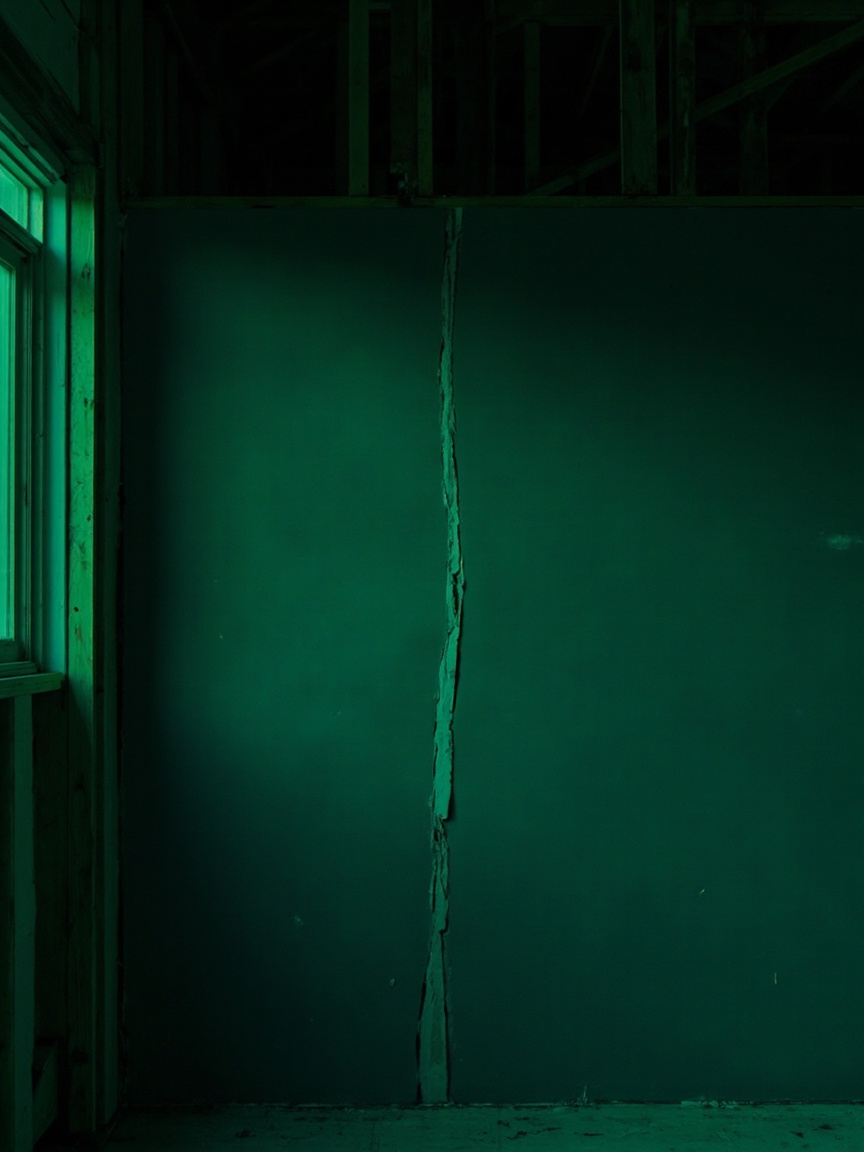
If your builder won't fix defects, document everything with dated photos, notify them in writing with a deadline and access to fix, then lodge with your state building regulator (Building Commission NSW, VBA in VIC, QBCC in QLD), which can order rectification. Your state tribunal (NCAT, VCAT, QCAT) is the backstop. Time limits vary by state and are strict.
You moved into your new build, or your renovation wrapped up, and then the problems started: cracks in every corner, a shower that leaks into the next room, tiles lifting, a roof that weeps when it rains. You reported it to your builder. And now? Little to no reply, a vague promise, or a flat "that's normal settlement, nothing to fix." Here's the part most people don't realise: you have rights backed by law, a building regulator in your state whose job is exactly this, and a tribunal that can order the builder to fix it. A builder going quiet is not the end of the road.
This is a plain-English, consumer-side guide to getting building defects fixed in Australia when your builder won't co-operate: how the system works, how to document and notify properly, and the free path to escalate. It is general information to help you help yourself, not legal advice, and it isn't tailored to your circumstances. Building law also differs by state and territory, so this guide explains the shared shape of the process and then points you to the right body for your state. For advice on your own matter, the free services in Section 11 are the place to start.
- Document every defect with dated photos and a written list — before anyone patches anything.
- Notify the builder in writing with a clear defect list, a deadline, and an offer of access to fix.
- Lodge with your state building regulator (VBA/BPC in VIC, Building Commission NSW, QBCC in QLD, etc.) — many can inspect and order a rectification.
- Escalate to your state tribunal (VCAT, NCAT, QCAT, SACAT…) as the backstop.
You don't need a lawyer to start, and complaining to the regulator generally costs you nothing.
1. First — you're probably not stuck with it
When a builder dismisses a defect as "cosmetic" or "just the house settling," it's easy to assume you have to live with it. Often you don't. Australian building law gives every homeowner a set of statutory warranties — promises implied into your contract by legislation that the builder can't sign away. These cover things like doing the work with reasonable care and skill, using suitable materials, complying with the law and plans, and making the home reasonably fit to live in. If the work breaches one of those warranties, the builder is on the hook to put it right, whether or not they feel like it.
You're also not alone, and these aren't rare freak events. The 2023 report by Building Commission NSW (with the Strata Community Association) found that 53% of surveyed strata buildings had at least one serious defect, with waterproofing failures the single most common problem. That's a survey of apartment buildings, not a national rate for all homes, but it tells you something blunt: defects in Australian construction are common, the system knows it, and there are bodies set up specifically to deal with them.
- Don't get another builder to fix it yet. Ripping the defect out before you've documented it — and before you've given the original builder a proper chance — can destroy your evidence and, in some states, void your warranty insurance.
- Photograph everything, dated. Wide shots and close-ups of every defect, before any repair or patch.
- Write it all down. A list of each defect, where it is, and when you first noticed it.
- Send a written notice to the builder — see Section 5. This proves you gave notice and a chance to fix, which every later step relies on.
2. Your statutory warranties (and the deadlines that can kill a claim)
Every state and territory implies statutory warranties into residential building contracts. The exact wording and time limits differ, but the principle is the same everywhere: the builder warrants the work will be done properly, lawfully, and fit for purpose. The danger is the time limits — they're strict, they vary by state, and missing one can end your claim no matter how real the defect is.
Here's the shape in the three biggest states. Whether your defect counts as "major"/"structural" or "minor"/"non-structural" decides which deadline applies — and that's a contested legal question, not something you should decide for yourself. Treat these as the general picture and confirm your own dates against your state's regulator or a lawyer.
- NSW — Under the Home Building Act 1989 (s18B), the statutory warranties run for 6 years for a major defect and 2 years for other defects, measured from completion of the work (with a short extra tail if a defect first appears late in the warranty period). Source: Home Building Act 1989 (NSW).
- VIC — The Domestic Building Contracts Act 1995 implies warranties that can't be waived. Separately, the Building Act 1993 sets an outer limit: a building action generally must be brought within 10 years of the occupancy permit (longer for certain cladding work). Source: Victorian Building Authority.
- QLD — Warranties for contracts since 1 July 2015 sit in Schedule 1B of the QBCC Act 1991. The complaint windows are the trap: you generally have to complain about a structural defect within 12 months of noticing it, and a non-structural defect within 12 months of the work finishing, with a longer outer limit for a Direction to Rectify. Source: QBCC.
3. Who actually makes a builder fix defects? Your state's three-part system
Across Australia, the same three pieces do the work — they just have different names in each state:
- A building regulator / licensor — the body that licenses builders and can investigate complaints, inspect defects, and (in many states) issue a formal order directing the builder to rectify. This is your most powerful free lever.
- A home warranty / builders warranty insurance scheme — a safety net that pays for rectification, but generally only when the builder is dead, has disappeared, become insolvent, or had their licence cancelled. It's not a "the builder won't co-operate" fund; it's a "the builder is gone" fund.
- A civil tribunal — where you go for a binding order if the regulator's process doesn't resolve it. Tribunals are designed to be cheaper and more accessible than court.
Here's how that maps in the three biggest states, and where to find yours:
- NSW — Regulator: Building Commission NSW (it can inspect major defects and issue a Rectification Order). Insurance: the Home Building Compensation Fund (HBCF), run by icare. Tribunal: the NSW Civil and Administrative Tribunal (NCAT).
- VIC — Regulator and dispute body: the Victorian Building Authority and Domestic Building Dispute Resolution Victoria (DBDRV), which from 1 July 2025 sit within the new Building and Plumbing Commission. DBDRV is a mandatory gateway — you generally can't start at the tribunal without going through it first and getting a certificate. Tribunal: the Victorian Civil and Administrative Tribunal (VCAT).
- QLD — Regulator: the Queensland Building and Construction Commission (QBCC), which can inspect and issue a Direction to Rectify. Insurance: the Queensland Home Warranty Scheme. Tribunal: the Queensland Civil and Administrative Tribunal (QCAT).
- SA — Consumer and Business Services (CBS); tribunal: SACAT.
- WA — Building and Energy (DEMIRS) and the Building Commissioner; tribunal: the State Administrative Tribunal (SAT).
- TAS — Consumer, Building and Occupational Services (CBOS); tribunal: the Tasmanian Civil and Administrative Tribunal (TASCAT).
- ACT — Access Canberra; tribunal: ACAT.
- NT — NT Building Practitioners Board / Consumer Affairs; tribunal: NTCAT.
4. Is this defect actually worth pursuing?
Not every imperfection is a defect the builder must fix, and being honest about that saves you months. The single biggest fear homeowners describe is exactly this uncertainty: "are these defects 'major and serious', or am I stuck living with them?" The table below is a general guide to how strong different complaints tend to be. It is not a prediction about your case — your contract, the building standards, and the facts decide everything — but it's a realistic starting point. Whether a defect is legally "major" or "structural" is itself a contested question; don't treat your own guess as the answer.
| The defect / situation | How strong, generally | Why |
|---|---|---|
| Waterproofing failure / water ingress (leaking shower, balcony, basement) | Strong | The most common serious defect in Australia, and measured against clear standards (AS 3740 for wet areas, AS 4654 for external waterproofing). When work doesn't meet the standard, it's a clear breach — and water damage rarely "settles" or fixes itself. |
| Structural cracking / footing movement beyond allowed tolerances | Strong | Cracking past the limits in the building standards and tolerance guides is a recognised structural defect, not "normal settlement." An independent engineer's report assessing it against the standard is decisive. |
| Work that breaches the Building Code / Australian Standards (wrong materials, non-compliant install) | Strong | Compliance with the National Construction Code and relevant standards is a baseline warranty. A documented departure from the Code is a breach the builder must rectify. |
| Incomplete work the builder walked away from | Strong | Unfinished contracted work is a straightforward breach — the question is usually cost to complete, not whether it's owed. |
| Defect within the warranty period but the builder calls it "wear and tear" | Moderate | Turns on cause and evidence. If it stems from poor workmanship rather than your use or lack of maintenance, it's contestable — but you'll likely need an expert to show the cause. |
| Minor cosmetic items within normal tolerances (hairline shrinkage cracks, tiny paint blemishes) | Weak | Building tolerance guides accept a degree of minor imperfection. Genuinely cosmetic items inside the accepted tolerances are hard to force a rectification on. |
| A defect first noticed after the statutory warranty period has expired | Basically unwinnable on the warranty | Once the time limit has passed, the statutory-warranty route is generally closed (other avenues may exist, but they're narrow — this is where you need legal advice). |
| Damage you caused, or that came from your own neglect/alterations | Basically unwinnable | The builder's warranties don't cover damage from misuse, lack of maintenance, or work you or someone else did later. |
5. Step 1 — Document everything, then notify the builder in writing
This is the step everything else stands on. Before you escalate anywhere, you need (a) solid evidence of each defect, and (b) proof that you told the builder and gave them a fair chance to fix it. Skip this and your regulator complaint or tribunal claim is built on sand.
Build your evidence file
- Dated photos and video of every defect — wide context shots and close-ups. Capture them before any patch or repair, because "was it always like this?" is the fight you want to win on the spot.
- A defect register — a simple table listing each defect, its location, when you first noticed it, and (later) the likely cause and rough cost to fix. Professionals call this a Scott Schedule; you can keep a plain version yourself.
- Your contract, plans and scope of works — these define what the builder promised to deliver.
- All correspondence with the builder, kept in writing. If you spoke on the phone, follow up with an email summarising what was said.
Send a formal defect notice
Put your complaint to the builder in writing — a dated letter or email that lists each defect, attaches your photos, sets a reasonable deadline to respond and rectify, and offers the builder access to come and fix the work. That access offer matters: in Queensland especially, refusing to give the builder a reasonable chance to rectify can actually void your warranty. A written notice does three jobs at once: it formally puts the builder on notice, it starts the clock, and it becomes the centrepiece of your evidence later.
The free kit includes a fill-in-the-blanks defect-notice letter you complete and send yourself. It's structured the way builders and regulators expect: a clear header identifying it as a formal notice of defective work, a numbered list of each defect with space for location and the date you noticed it, a reasonable deadline to respond, an explicit offer of access to rectify, and a line noting your statutory-warranty rights. It's a general template — you fill in your own facts and send it yourself. It is not legal advice, and we don't draft or lodge anything for you.
6. Step 2 — Get an independent expert report (the single most decisive thing you can do)
If your builder is denying the defect, or you're heading toward a regulator complaint or tribunal, one piece of evidence outweighs all the others: an independent building consultant or expert report. A qualified, independent expert inspects the work, assesses it against the National Construction Code and the relevant Australian Standards, states the cause of the defect, and estimates the cost to rectify. This is what turns "I reckon it's dodgy" into a finding a regulator or tribunal can act on.
These reports typically cost a few hundred dollars and up, depending on the building and the number of defects. It can feel like a lot when you've already paid for a home that's defective — but it is frequently the thing that breaks a stalemate. Homeowners describe years of getting nowhere by correspondence alone, then an independent report finally shifting things. If your matter might end up at a tribunal, ask the expert whether their report meets that tribunal's rules for expert evidence (for example, NCAT requires experts to confirm they've read and will comply with the Expert Witness Code of Conduct) — a report that doesn't comply may be given less weight.
The kit includes a photo-and-evidence checklist (what to capture, and how to log it so it holds up later) and an expert-report brief checklist — the questions to ask an independent consultant so the report you pay for is actually tribunal-grade: assessed against the Code and standards, with cause and rectification cost stated. You use these to organise your own evidence; they're general tools, not advice on your matter.
7. Step 3 — Lodge a complaint with your state building regulator
With your defects documented and the builder formally notified, you escalate to your state's building regulator. This is your most powerful free step, because in most states the regulator can do something a homeowner can't: send an inspector, and issue a formal order compelling the builder to fix the work.
- NSW: Building Commission NSW can investigate and, for major defects (load-bearing, fire-safety, waterproofing), inspect and issue a Rectification Order directing the builder to fix the work.
- VIC: Domestic Building Dispute Resolution Victoria (DBDRV) is a free, mandatory conciliation gateway. It can issue a binding Dispute Resolution Order, and you generally need its certificate before you can take the matter to VCAT.
- QLD: the QBCC can inspect and issue a Direction to Rectify, which goes on the builder's public licence record — a strong incentive for the builder to comply.
In every state, lodging this complaint is generally free. Be specific: attach your defect register, your dated photos, your written notice to the builder and any reply, and your expert report if you have one. The regulator process is also usually a required step before the tribunal will hear you, so doing it properly matters twice over.
8. If the builder is insolvent, gone, or dead — home warranty insurance
There's an important fork in the road. The regulator-and-tribunal path is for when the builder still exists but won't co-operate. But if your builder has become insolvent, disappeared, died, or had their licence cancelled, you may be able to claim on your state's home warranty insurance scheme instead — a fund that pays for rectification when there's effectively no builder left to pursue.
- NSW — the Home Building Compensation Fund (HBCF), via icare, on contracts over $20,000.
- VIC — Domestic Building Insurance (note: Victoria's home-warranty scheme is changing — see the warning below).
- QLD — the Queensland Home Warranty Scheme (remember the short 3-month / 7-month insurance deadlines from Section 2).
These schemes have caps and tight triggers, and they generally only kick in once the builder is genuinely out of the picture — not simply because the builder is being difficult. If you suspect your builder is in financial trouble, that changes your timeline: check your scheme's claim deadlines urgently, because they can be much shorter than the general complaint windows.
9. Step 4 — Your state tribunal (the backstop)
If the regulator process doesn't resolve it, the civil tribunal in your state is the backstop — NCAT in NSW, VCAT in Victoria, QCAT in Queensland, SACAT in South Australia, and the equivalents elsewhere. Tribunals are designed to be more accessible and cheaper than court, and many people run building-dispute cases without a lawyer.
A few things worth knowing in general terms:
- You usually have to do the regulator step first. In Victoria you generally need a DBDRV certificate before VCAT will hear you; in NSW and Queensland, the Fair Trading / Building Commission / QBCC process is normally expected before the tribunal.
- Tribunals often prefer a "work order" to cash. Rather than just awarding money, NCAT and VCAT frequently order the builder to do the rectification work — which is usually what you actually want.
- Your expert report does the heavy lifting. The independent report assessing the defects against the Code and standards, plus your Scott Schedule of items, cause and cost, is what the tribunal weighs.
- There are jurisdictional limits and procedures that vary by state. Confirm your tribunal's current monetary limit and process on its own website before you lodge.
The kit includes a tribunal-prep checklist and a fill-in application summary — a one-page structure that organises your case the way a tribunal application asks for it: the parties, a tight chronology, the defects and the warranty each one breaches, the evidence you're relying on (photos, expert report, notices), and the order you're seeking (usually a work order to rectify). It's a general organising tool to make preparing easier — not legal advice, and not a document we lodge for you.
10. Common questions before you escalate
"Can I just withhold the final payment until they fix it?"
Be careful here. Withholding money can feel like leverage, but whether you're entitled to depends on your contract terms and your state's rules — and getting it wrong can put you in breach. It's a genuine legal question, not a DIY one. Document the defects and get advice from your regulator or a free service before holding back money the contract says is due.
"The builder says it's just normal settlement — are they right?"
Sometimes, and sometimes not. Building tolerance guides do accept a degree of minor movement and hairline cracking. But "it's just settlement" is also the go-to brush-off for real defects. The way to settle the argument is an independent expert assessing the cracking against the standards and tolerances — that's exactly the dispute an expert report is built to resolve.
"Should I get another builder to fix it and send them the bill?"
Generally not before you've documented the defect, notified the original builder, given them a reasonable chance to rectify, and gone through your regulator. Fixing too early can destroy your evidence and, in some states, void your warranty insurance or undercut your claim. Patience here protects you.
"The builder has stopped replying entirely. Now what?"
Silence is common and it doesn't weaken your position — your written notice already proves you raised it and offered access. Move to the next step: lodge with your state regulator, which can inspect and order rectification even if the builder ignores you.
"It's been a couple of years — is it too late?"
Maybe not. Statutory-warranty time limits vary by state (Section 2), and major/structural defects generally have longer windows than minor ones. But the limits are strict, so don't assume you have time — check your state's deadlines immediately, especially the much shorter Queensland insurance deadlines.
11. Where to get free help / talk to a lawyer
Start with the free help. Every state has a building advice line and a consumer-protection body, and they cost nothing — use them before you pay anyone.
- Your state building regulator — the first call for defect disputes: Building Commission NSW, the Victorian Building Authority / Building and Plumbing Commission, the QBCC (QLD), CBS (SA), Building and Energy (WA), CBOS (TAS), Access Canberra (ACT), or NT Consumer Affairs.
- Your state's dispute / conciliation service — e.g. Domestic Building Dispute Resolution Victoria (DBDRV) for free conciliation in Victoria, or NSW Fair Trading's building dispute service.
- Your state tribunal — NCAT (NSW), VCAT (VIC), QCAT (QLD) and the equivalents — their websites explain the process and forms.
- Consumer law backstop — the Australian Consumer Law also gives you consumer guarantees on services. See ACCC and MoneySmart.
For most building-defect disputes, the free regulator-and-tribunal path is the right place to start. If your case is genuinely complex — a large structural rectification, a builder who's become insolvent, a contested "major vs minor" classification, or a matter heading to a full tribunal hearing — you can choose to be connected with a specialist building-and-construction lawyer for a deeper look. That's entirely optional, and it comes after the free options above, never instead of them.
12. Frequently asked questions
My builder won't fix the defects — what can I actually do?
Document every defect with dated photos, notify the builder in writing with a deadline and an offer of access to fix, then lodge a complaint with your state building regulator (such as Building Commission NSW, the VBA in Victoria, or QBCC in Queensland), which can inspect and order rectification. Your state tribunal (NCAT, VCAT, QCAT and equivalents) is the backstop. You don't need a lawyer to start.
Are building defects covered by a warranty even if it's not in my contract?
Yes. Every state and territory implies statutory warranties into residential building contracts — promises about reasonable care and skill, suitable materials, complying with the law, and fitness for purpose — and the builder generally can't sign them away. If the work breaches a warranty within the time limit, the builder is obliged to put it right.
How long do I have to claim for a building defect?
It varies by state and by whether the defect is "major"/structural or "minor". In NSW it's broadly 6 years for major defects and 2 years for others; Victoria has a 10-year outer limit for building actions; Queensland has 12-month complaint windows plus much shorter insurance deadlines. The limits are strict — check your state's regulator or get advice rather than assuming.
What's the Queensland insurance deadline everyone warns about?
Under the Queensland Home Warranty Scheme, the deadline to lodge an insurance claim is far shorter than the general complaint window: generally within 3 months of noticing a structural defect, or 7 months of the work finishing for non-structural. Waiting the 12 months you might think you have can forfeit your insurance cover, so check the QBCC deadlines early.
Do I need an independent building report?
It's the single most decisive piece of evidence when a builder denies a defect. An independent consultant assesses the work against the National Construction Code and Australian Standards, identifies the cause, and estimates rectification cost — turning your complaint into something a regulator or tribunal can act on. If your matter may reach a tribunal, ask whether the report complies with that tribunal's expert-evidence rules.
Can I get another builder to fix it and bill the original builder?
Generally not before you've documented the defect, notified the original builder in writing, given them a reasonable chance to rectify, and gone through your regulator. Fixing too early can destroy your evidence and, in some states, void your warranty insurance or weaken your claim. Document first; rectify later.
Can I withhold the final payment until the defects are fixed?
Maybe, but it's risky. Whether you can lawfully withhold money depends on your contract and your state's rules, and getting it wrong can put you in breach. Treat it as a legal question — document the defects and get advice from your regulator or a free service before holding back money that's contractually due.
What if my builder has gone bust or disappeared?
That's when home warranty insurance schemes come in — HBCF in NSW, Domestic Building Insurance in Victoria (changing from 1 July 2026), and the Queensland Home Warranty Scheme. These have caps and tight triggers and generally only apply once the builder is insolvent, dead, gone, or deregistered. If you suspect financial trouble, check your scheme's claim deadlines urgently — they can be short.
The builder says it's "just normal settlement" — do I have to accept that?
Not automatically. Tolerance guides accept some minor movement and hairline cracking, but "settlement" is also a common brush-off for genuine defects. The way to resolve the argument is an independent expert assessing the work against the relevant standards and tolerances — that's exactly what an expert report is for.
Does this differ depending on which state I'm in?
Yes — significantly. The warranties, time limits, regulator, insurance scheme, and tribunal all differ by state and territory. The overall shape is the same everywhere (document, notify, regulator, tribunal), but you must use your own state's bodies and confirm your own deadlines. This guide points you to each major state's regulator and tribunal.